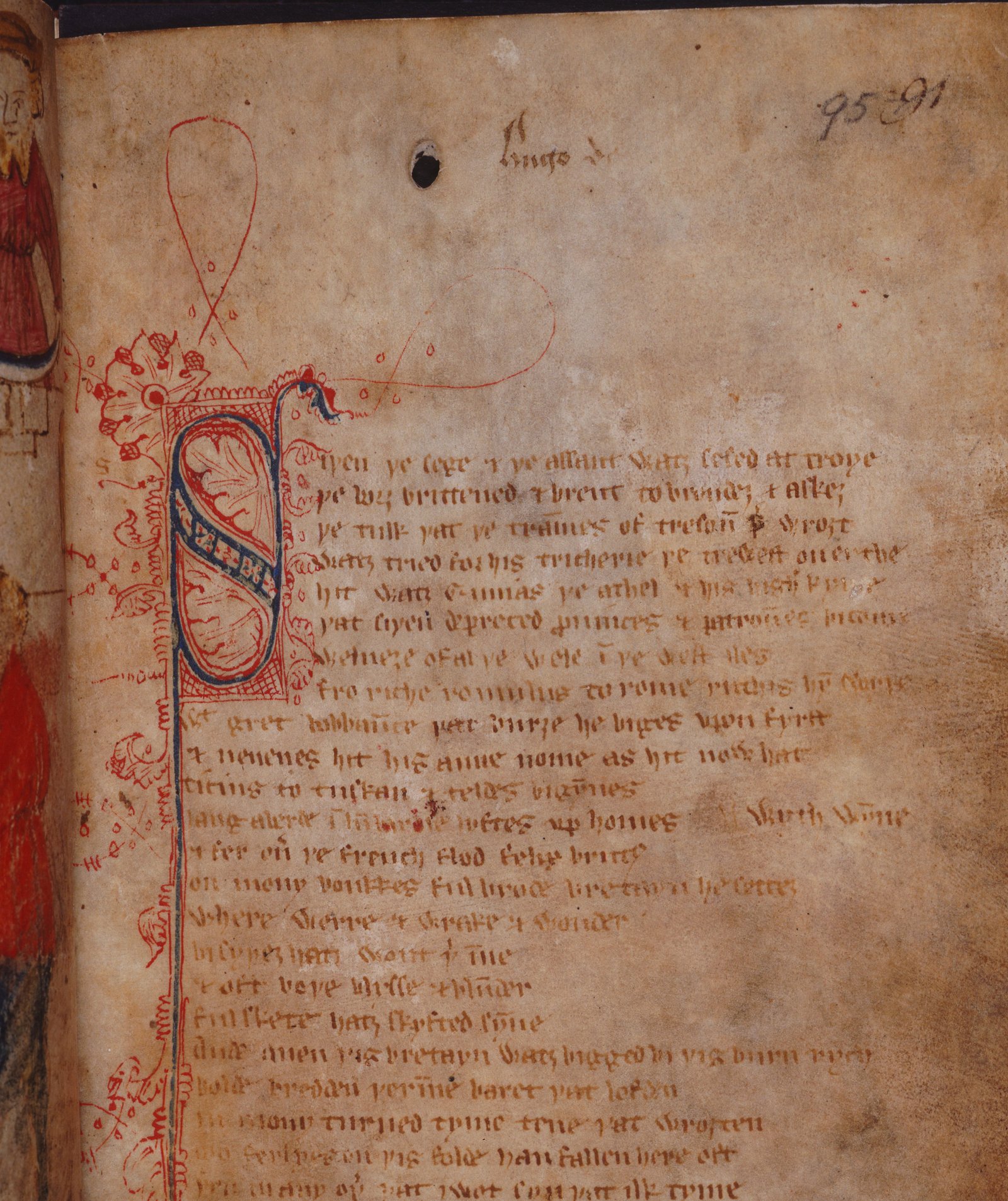
Phèdre by Racine: Summary, Famous Lines and Fate

“La fille de Minos et de Pasiphaé”, the daughter of Minos and Pasiphaë: a single line of introduction, often cited as the most beautiful verse in the French language. That is the magic of Phèdre (Phaedra), first performed on 1 January 1677: a play in which the music of words carries a terrible story, that of a woman who loves the one man she must not love. After Corneille and Molière, here is the third giant of Grand Siècle theatre: Jean Racine, and his absolute masterpiece.

Key facts

  • Phèdre is a tragedy in five acts and in alexandrine verse by Jean Racine, first performed on 1 January 1677 at the Hôtel de Bourgogne in Paris, under the title Phèdre et Hippolyte.
  • Racine drew on Euripides’ Hippolytus (5th century BC) and Seneca’s Phaedra.
  • The plot: Phaedra, wife of King Theseus, burns with forbidden love for Hippolytus, her husband’s son. Believing Theseus dead, she confesses. Theseus returns.
  • The premiere triggered the “cabal of Phèdre”: a rival play by Nicolas Pradon, staged two days later, tried to smother Racine’s. Within months, history had decided.
  • After this summit, Racine left the theatre at 37 to become royal historiographer to Louis XIV, and only returned to the stage twelve years later.

Racine before Phèdre: the orphan of Port-Royal

Jean Racine was born in December 1639 in La Ferté-Milon, in Picardy. Orphaned very young, he was taken in and educated at Port-Royal, the stronghold of Jansenism, an austere Christian movement for which human beings are helpless without God’s grace. There he received an exceptional education, notably in Greek: he would read Euripides in the original all his life.

In Paris, he chose the theatre against the advice of his teachers, who considered the stage immoral. In ten years, from Andromaque (1667) to Iphigénie (1674), he became the great rival of the ageing Corneille and entered the Académie française in 1672. Phèdre would be his farewell to the secular stage, and many read in it the mark of Port-Royal: a guilty heroine struggling, without grace, against a passion stronger than she is.

The story: a forbidden love

Phaedra, second wife of Theseus, king of Athens, is wasting away from a secret illness: she loves Hippolytus, her husband’s son from a first marriage. When rumour announces the death of Theseus, her nurse Oenone urges her to speak. Phaedra confesses her love to a horrified Hippolytus.

Then the reversal: Theseus is not dead. He returns, and Oenone, to save her mistress, accuses Hippolytus of having tried to seduce the queen. Theseus curses his son and calls on Neptune to punish him. A sea monster causes Hippolytus’ death, recounted in a messenger speech that is one of the summits of French theatre. Phaedra, consumed by guilt, confesses the truth and poisons herself. The curtain falls on a father who has lost everything.
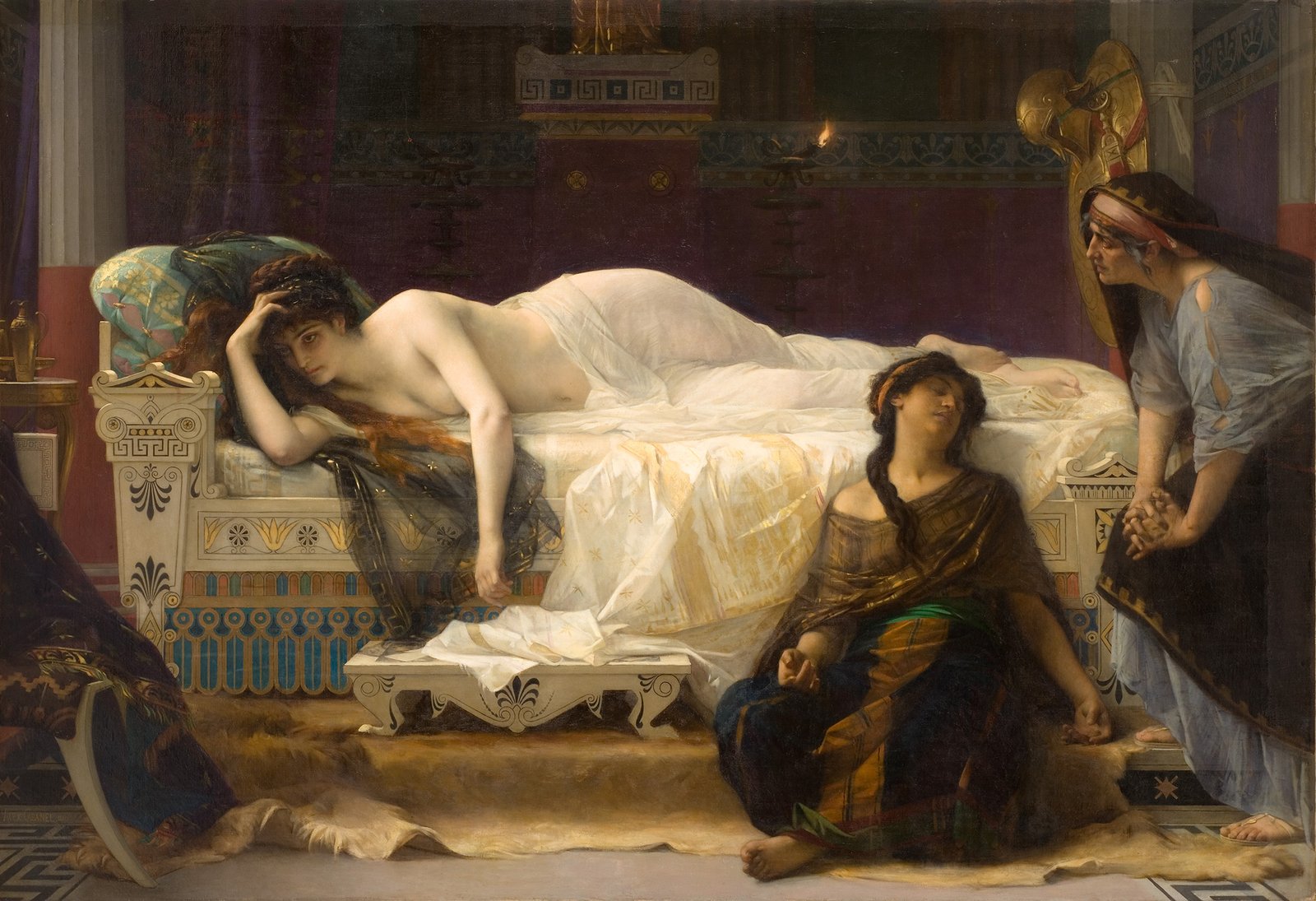
Phaedra prostrate on her couch, painting by Alexandre Cabanel, 1880
Phaedra devoured by her secret, as seen by Alexandre Cabanel (1880, Musée Fabre). Public domain, via Wikimedia Commons.

The lines France knows by heart

Few plays have given so many verses to collective memory:

  • “C’est Vénus tout entière à sa proie attachée” (It is Venus entire, fastened on her prey): Phaedra describing her passion as a beast devouring her, the most famous line of the play.
  • “La fille de Minos et de Pasiphaé”: Phaedra introduced by her ancestry alone, a judge of the Underworld for a father, a monstrous mother, her whole destiny in one alexandrine.
  • “Ariane, ma sœur, de quel amour blessée / Vous mourûtes aux bords où vous fûtes laissée”: her lament to her sister Ariadne, abandoned by Theseus.
  • “Le jour n’est pas plus pur que le fond de mon cœur” (Daylight is not purer than the depths of my heart): Hippolytus’ defence before his father, innocence spoken in twelve syllables.

Racine’s language is famously spare: only a few thousand words, where the classical language had many more. That is its power. Every word counts, every alexandrine stays with you, which is why French teachers still have their students read Racine aloud.

The cabal of 1677: two Phaedras in a duel

The expected success of the play worried Racine’s enemies. A coterie of aristocrats commissioned a rival Phèdre et Hippolyte from the playwright Nicolas Pradon, staged two days after Racine’s in a competing theatre, and bought up boxes to fill one house and empty the other. For a few weeks, the scheme seemed to work.

Then the public decided, and history with it: Pradon’s play sank into oblivion, while Racine’s became THE great female role of the French repertoire, from La Champmeslé, who created it, to Sarah Bernhardt, who made it a worldwide triumph two centuries later.
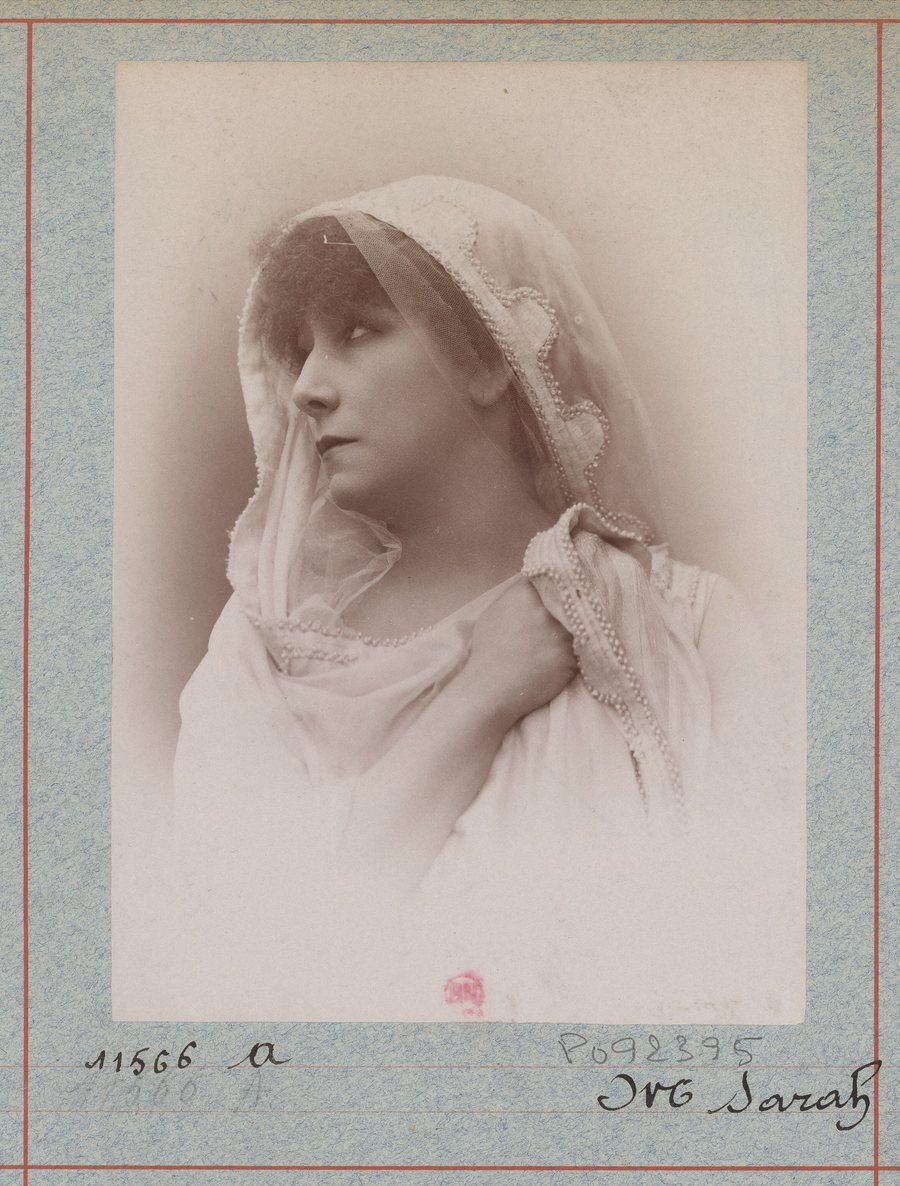
Sarah Bernhardt in the role of Phaedra, late 19th century photograph
Sarah Bernhardt as Phaedra, the role of her life. Late 19th century photograph, public domain, BnF via Wikimedia Commons.

Racine versus Corneille: enduring or choosing

The comparison illuminates all of French classical theatre. In Corneille, the hero chooses: Rodrigue, in Le Cid, weighs honour against love, makes his decision, and his greatness is born of that choice. In Racine, the hero endures: Phaedra chose nothing, passion fell upon her like a curse from the gods, and the whole play watches her struggle in vain. On one side the dilemma, on the other, fate.

Their contemporaries had already put it into words: Corneille paints human beings “as they ought to be”, Racine “as they are”. With Molière for laughter, the triangle of the Grand Siècle is complete: three ways of putting a human being on a stage, still answering one another today.

Why read Phèdre today

Because it is perhaps the summit of the French language in verse, and one of the greatest roles ever written. Because the play’s question, what to do with a desire that destroys us, has not aged a day. And because Racine’s alexandrine, regular and limpid, is an excellent teacher of pronunciation and rhythm for anyone learning French. Phèdre is a royal gateway to the classics of French literature; to read it in the original with a teacher, our French courses in Paris put theatre on the syllabus, on site or through our online French courses. To find your starting level, see our guide to French language levels from A1 to C2.

Frequently asked questions

What is the plot of Phèdre in one sentence?

Phaedra, wife of Theseus, secretly loves her stepson Hippolytus; her confession, a false rumour of death and a lying accusation set off a fatal mechanism that destroys Hippolytus, then Phaedra herself.

When was Phèdre first performed?

On 1 January 1677, at the Hôtel de Bourgogne in Paris, under the title Phèdre et Hippolyte. Racine only adopted the short title Phèdre in 1687, in the edition of his collected works.

What was the cabal of Phèdre?

A scheme by Racine’s enemies in 1677: a rival play on the same subject, commissioned from Nicolas Pradon and staged two days later, with theatre boxes bought up to rig the success. Pradon’s play is forgotten today.

What is the difference between a Corneille hero and a Racine hero?

The Cornelian hero chooses his destiny (the dilemma of Le Cid); the Racinian hero endures a passion beyond his control (the fate of Phaedra). Choice versus fate: it is the great dividing line of French classical theatre.


Similar articles

La mort de Roland à Roncevaux, enluminure médiévale

The Song of Roland: the epic that founded French literature

French literature begins with a defeat. Around 1100, a poet of whom we may know only the name, Turoldus, set into verse the disaster of Roncevaux: a rearguard crushed in a Pyrenean pass, a hero who refuses to call for help, an emperor who arrives too late. The Song of Roland, some 4,000 lines declaimed by minstrels from castle to

Read more
Portrait de Pierre Corneille, auteur du Cid

Le Cid by Corneille: the play that shook seventeenth-century France

“We set out five hundred, and saw ourselves five thousand on reaching the port”: that is how collective memory quotes the most famous line of Le Cid. It gets it wrong, fittingly. Corneille wrote “three thousand”, but the play is so large that everyone enlarges it again in quoting it. First performed on 7 January 1637 at the Théâtre du

Read more
Logo des Cours de Civilisation Française de la Sorbonne
visage popup ccfs - Cours de Civilisation Française de la Sorbonne

CCFS Discovery Week
From July 16 to 26

Experience CCFS before your courses even begin!

CCFS Sorbonne invites you to take part in an exceptional Discovery Week — the perfect opportunity for future students, curious minds, and lovers of the French language and culture to immerse themselves in the unique world of CCFS.

On the agenda: campus tour, online trial classes, online lectures…
All events are free but require registration. Limited slots.

Semaine de découverte des CCFS du 16 au 26 juillet

Venez vivre l’expérience CCFS avant même de commencer vos cours !

Les Cours de Civilisation Française de la Sorbonne vous ouvrent leurs portes lors d’une semaine de découverte exceptionnelle : l’occasion idéale pour les futurs étudiants, les curieux et les passionnés de langue et de culture françaises de plonger dans l’univers unique des CCFS.

Au programme : visite du campus, cours d’essai en ligne, conférences en ligne… Inscription gratuite mais obligatoire. Places limitées.

Logo des Cours de Civilisation Française de la Sorbonne

Information

Attention, le secrétariat sera fermé le lundi 25 mai. Merci de faire vos démarches en ligne.

En raison des examens
DELF/DALF, pourrais-tu mettre en ligne que le secrétariat sera
exceptionnellement fermé aux dates suivantes :

  • Le 20
    mai
  • Le 10
    juin
  • Le 8
    juillet

Les cours semestriels S10, S20, S40 et AN40 pour la rentrée de printemps sont désormais complets.
Pour vous inscrire en liste d’attente merci de contacter le secrétariat au 01 44 10 77 00

Semester courses S10, S20, S40, and AN40 for the spring semester are now full.
To join the waiting list, please contact the secretariat at
+331 44 10 77 00.

Focus

Découvrez les cours mensuels de français.

Ces programmes courts sont destinés à un public de niveau débutant, élémentaire ou intermédiaire (niveaux A0 à B1).

Étudiant des Cours de Civilisation Française de la Sorbonne

Discover monthly French courses.

These short programs are designed for beginners, elementary, or intermediate learners (levels from A0 to B1).

They combine French language classes and speaking practice sessions to help students quickly improve their mastery of the French language.

 📣  Conférence découverte “Explorez Lyon avec Mme Dally”

📅  Lundi 30 juin à 15h30
sur le campus des CCFS

 📣  Open Lecture – Explore Lyon with Ms. Dally

📅  Monday, June 30 at 3:30 PM
on CCFS campus

Participez gratuitement à une immersion culturelle vivante, accessible dès le niveau A2, à la découverte d’une ville emblématique du patrimoine français.

👉 Cette conférence est l’occasion idéale de découvrir le format de nos conférences et de visiter notre campus dans une ambiance conviviale !

📍 Lieu : Campus des CCFS
7-11 avenue des Chasseurs
75017 Paris
👥 Ouvert au public, sur inscription
🎓 Accessible à partir du niveau A2

Au programme :

– Accueil sur le campus (15h15)
– Conférence : Lyon, une ville à explorer (1h15 min)
– Échange avec l’enseignante & découverte des CCFS (15 min)

ℹ️ L’entrée est gratuite, dans la limite des places disponibles.
Merci de vous présenter à l’accueil à partir de 15h15.

Étudiant des Cours de Civilisation Française de la Sorbonne

OFFRE D’ÉTÉ

Bénéficiez de 20% de réduction sur tous les cours annuels et semestriels pour la rentrée de septembre 2024, pour toute inscription réalisée avant le 1er septembre, dans la limite des places disponibles.

Votre code promo :
SEPTEMBRE24

Étudiant des Cours de Civilisation Française de la Sorbonne

SUMMER DEALS

Get a 20% discount on all annual and semester courses for the September 2024 intake, for any registration completed before September 1st, subject to availability.

Your promo code:
SEPTEMBRE24

INFORMATION

Le secrétariat sera exceptionnellement fermé le jeudi 6 juin.

The secretariat will be exceptionally closed on Thursday, June 6. 

Dernières places disponibles pour la rentrée d'automne !

Profitez d’une remise exceptionnelle de 20% sur le cours intensif de français S40, les cours S10 et S20 et les cours du soir.

Les inscriptions fermeront le vendredi 13 septembre à minuit.

Pour s’inscrire :

  • Pour le cours S40, inscription sur ce site avec le code promo SEPTEMBRE24
  • Pour les cours du soir S5, inscription sur ce site avec le code promo SEPTEMBRE24
  • Pour les cours S10 et S20, inscription directement au secrétariat de l’institution, ouvert du lundi au vendredi de 9h30 à 12h30 et de 13h30 à 16h30.


Inscription dans la limite des places disponibles.

L’inscription à la session d’automne (rentrée du 16 septembre 2024) est encore possible, sous réserve de places disponibles.

Les étudiants souhaitant s’inscrire sont invités à se rendre directement au bureau des admissions de l’institution, ouvert du lundi au vendredi de 9h30 à 16h30.
Ils doivent s’assurer de disposer d’un visa valide.

L’inscription en ligne pour cette session n’est plus possible sur ce site.

Last spots available for the fall intake

Get an exclusive 20% discount on the intensive French course S40, S10 & S20 courses, and evening classes.

Registration will close on Friday, September 13th, at midnight.

To register:

  • For the S40 course, register on this website using the promo code SEPTEMBRE24.
  • For the evening classes S5, register on this website using the promo code SEPTEMBRE24.
  • For S10 & S20 courses, register directly at the institution’s office, open Monday to Friday from 9:30 am to 12:30 pm and from 1:30 pm to 4:30 pm.

Registration is subject to availability.

Registration for the fall session (starting on September 16, 2024) is still possible, subject to availability.

Students wishing to register are invited to go directly to the institution’s admission office, open Monday to Friday from 9.30am to 4.30pm.
They must ensure they have a valid visa.

Online registration for this session is no longer available on this website.

Dates des prochains examens TCF

Les prochaines sessions d’examen TCF auront lieu dans les locaux de l’institution aux dates suivantes :

Le 30 janvier et le 27 février :

TCF TP SOS’INSCRIRE
TCF TP SO
+ épreuve orale
S’INSCRIRE
TCF TP SO
+ épreuve écrite
S’INSCRIRE
TCF TP SO completS’INSCRIRE

Le 31 janvier et le 28 février :

TCF IRNS’INSCRIRE