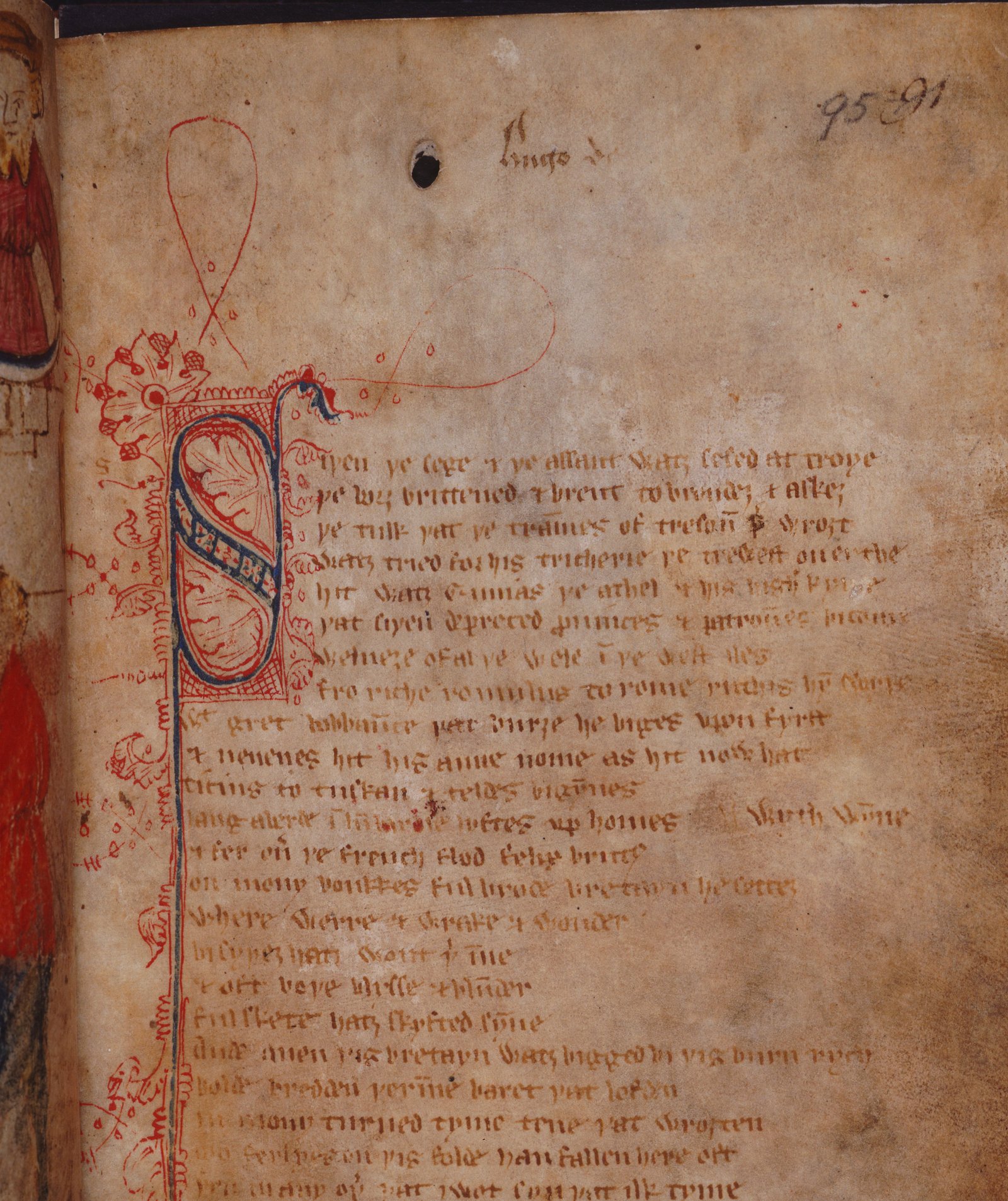
“La fille de Minos et de Pasiphaé”, the daughter of Minos and Pasiphaë: a single line of introduction, often cited as the most beautiful verse in the French language. That is the magic of Phèdre (Phaedra), first performed on 1 January 1677: a play in which the music of words carries a terrible story, that of a woman who loves the one man she must not love. After Corneille and Molière, here is the third giant of Grand Siècle theatre: Jean Racine, and his absolute masterpiece.
Key facts
- Phèdre is a tragedy in five acts and in alexandrine verse by Jean Racine, first performed on 1 January 1677 at the Hôtel de Bourgogne in Paris, under the title Phèdre et Hippolyte.
- Racine drew on Euripides’ Hippolytus (5th century BC) and Seneca’s Phaedra.
- The plot: Phaedra, wife of King Theseus, burns with forbidden love for Hippolytus, her husband’s son. Believing Theseus dead, she confesses. Theseus returns.
- The premiere triggered the “cabal of Phèdre”: a rival play by Nicolas Pradon, staged two days later, tried to smother Racine’s. Within months, history had decided.
- After this summit, Racine left the theatre at 37 to become royal historiographer to Louis XIV, and only returned to the stage twelve years later.
Racine before Phèdre: the orphan of Port-Royal
Jean Racine was born in December 1639 in La Ferté-Milon, in Picardy. Orphaned very young, he was taken in and educated at Port-Royal, the stronghold of Jansenism, an austere Christian movement for which human beings are helpless without God’s grace. There he received an exceptional education, notably in Greek: he would read Euripides in the original all his life.
In Paris, he chose the theatre against the advice of his teachers, who considered the stage immoral. In ten years, from Andromaque (1667) to Iphigénie (1674), he became the great rival of the ageing Corneille and entered the Académie française in 1672. Phèdre would be his farewell to the secular stage, and many read in it the mark of Port-Royal: a guilty heroine struggling, without grace, against a passion stronger than she is.
The story: a forbidden love
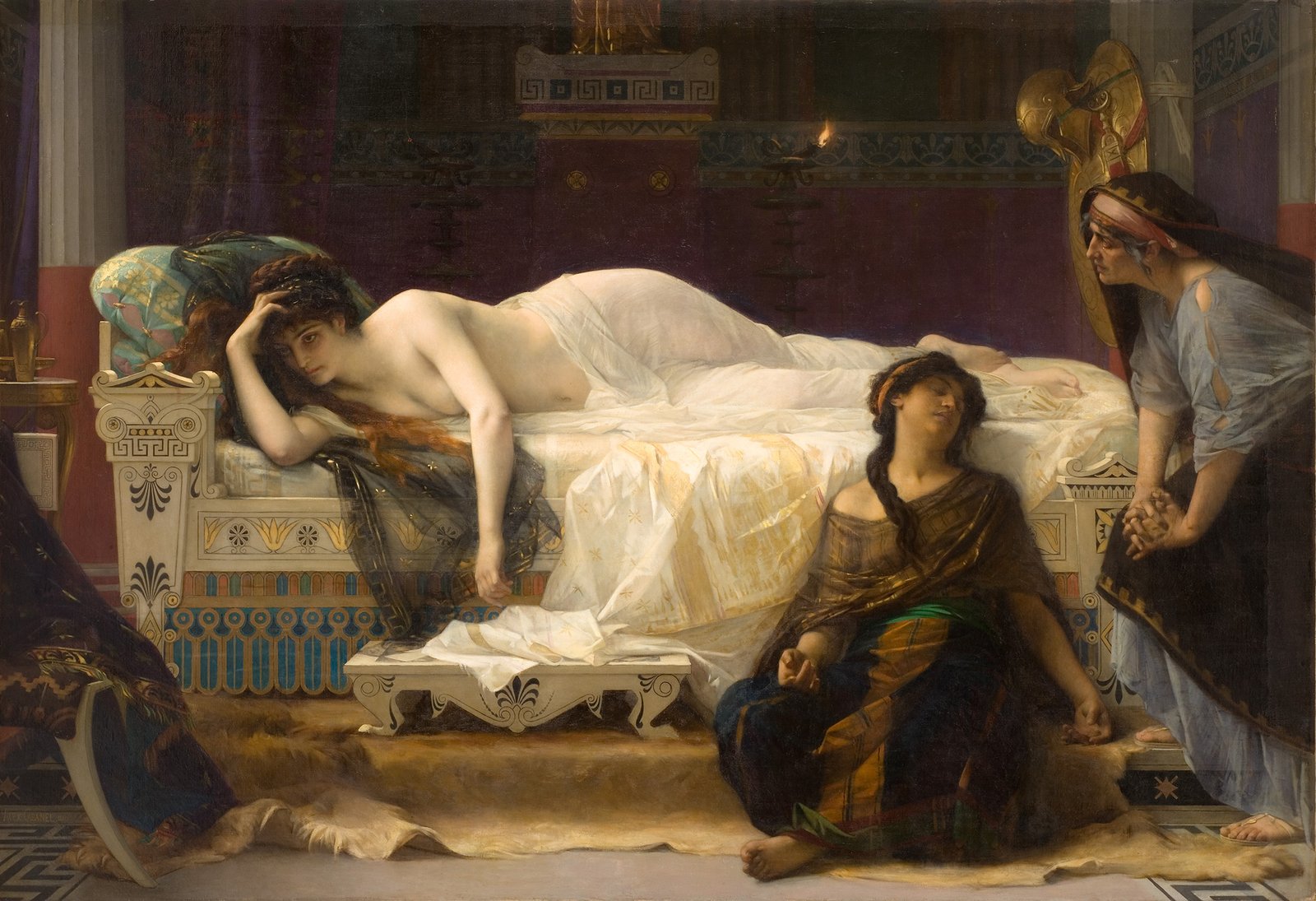
Phaedra, second wife of Theseus, king of Athens, is wasting away from a secret illness: she loves Hippolytus, her husband’s son from a first marriage. When rumour announces the death of Theseus, her nurse Oenone urges her to speak. Phaedra confesses her love to a horrified Hippolytus.
Then the reversal: Theseus is not dead. He returns, and Oenone, to save her mistress, accuses Hippolytus of having tried to seduce the queen. Theseus curses his son and calls on Neptune to punish him. A sea monster causes Hippolytus’ death, recounted in a messenger speech that is one of the summits of French theatre. Phaedra, consumed by guilt, confesses the truth and poisons herself. The curtain falls on a father who has lost everything.
The lines France knows by heart
Few plays have given so many verses to collective memory:
- “C’est Vénus tout entière à sa proie attachée” (It is Venus entire, fastened on her prey): Phaedra describing her passion as a beast devouring her, the most famous line of the play.
- “La fille de Minos et de Pasiphaé”: Phaedra introduced by her ancestry alone, a judge of the Underworld for a father, a monstrous mother, her whole destiny in one alexandrine.
- “Ariane, ma sœur, de quel amour blessée / Vous mourûtes aux bords où vous fûtes laissée”: her lament to her sister Ariadne, abandoned by Theseus.
- “Le jour n’est pas plus pur que le fond de mon cœur” (Daylight is not purer than the depths of my heart): Hippolytus’ defence before his father, innocence spoken in twelve syllables.
Racine’s language is famously spare: only a few thousand words, where the classical language had many more. That is its power. Every word counts, every alexandrine stays with you, which is why French teachers still have their students read Racine aloud.
The cabal of 1677: two Phaedras in a duel
The expected success of the play worried Racine’s enemies. A coterie of aristocrats commissioned a rival Phèdre et Hippolyte from the playwright Nicolas Pradon, staged two days after Racine’s in a competing theatre, and bought up boxes to fill one house and empty the other. For a few weeks, the scheme seemed to work.
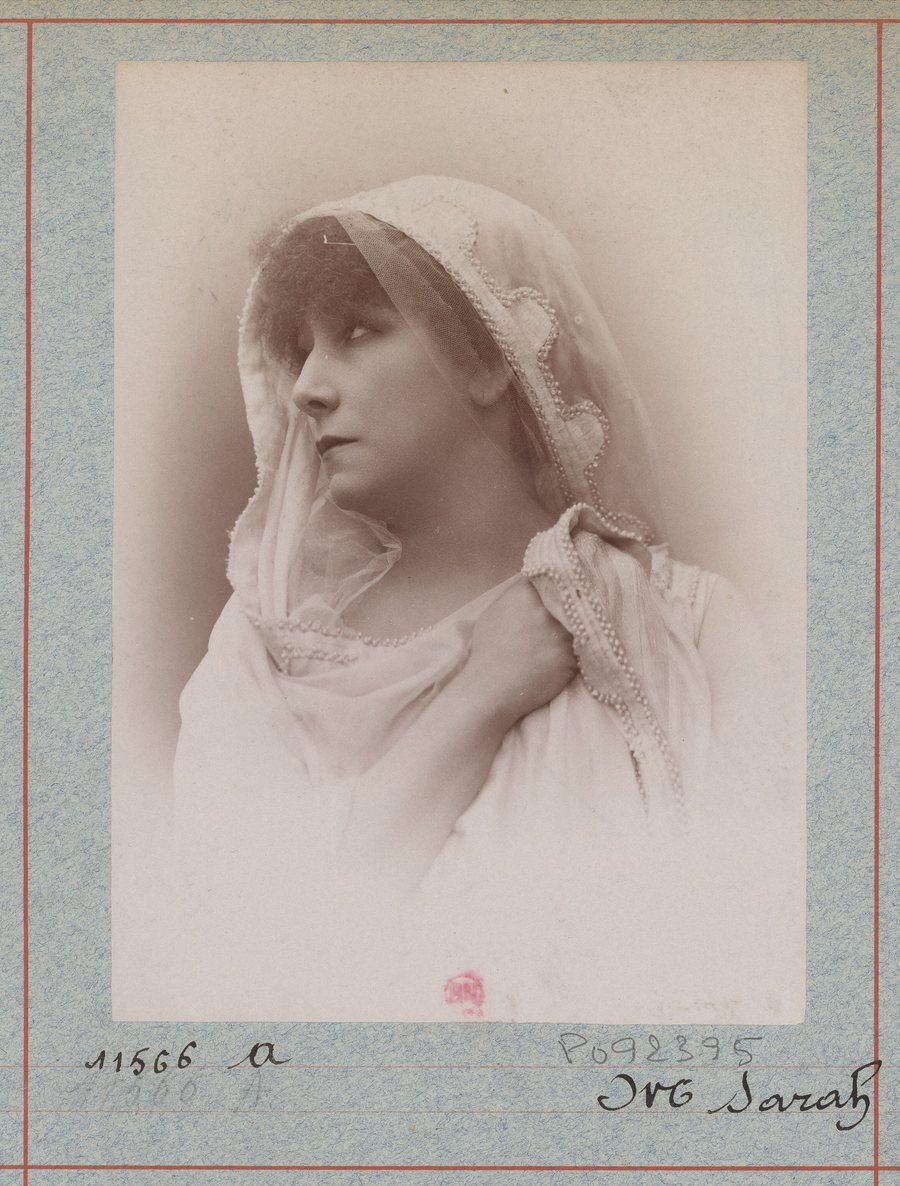
Then the public decided, and history with it: Pradon’s play sank into oblivion, while Racine’s became THE great female role of the French repertoire, from La Champmeslé, who created it, to Sarah Bernhardt, who made it a worldwide triumph two centuries later.
Racine versus Corneille: enduring or choosing
The comparison illuminates all of French classical theatre. In Corneille, the hero chooses: Rodrigue, in Le Cid, weighs honour against love, makes his decision, and his greatness is born of that choice. In Racine, the hero endures: Phaedra chose nothing, passion fell upon her like a curse from the gods, and the whole play watches her struggle in vain. On one side the dilemma, on the other, fate.
Their contemporaries had already put it into words: Corneille paints human beings “as they ought to be”, Racine “as they are”. With Molière for laughter, the triangle of the Grand Siècle is complete: three ways of putting a human being on a stage, still answering one another today.
Why read Phèdre today
Because it is perhaps the summit of the French language in verse, and one of the greatest roles ever written. Because the play’s question, what to do with a desire that destroys us, has not aged a day. And because Racine’s alexandrine, regular and limpid, is an excellent teacher of pronunciation and rhythm for anyone learning French. Phèdre is a royal gateway to the classics of French literature; to read it in the original with a teacher, our French courses in Paris put theatre on the syllabus, on site or through our online French courses. To find your starting level, see our guide to French language levels from A1 to C2.
Frequently asked questions
What is the plot of Phèdre in one sentence?
Phaedra, wife of Theseus, secretly loves her stepson Hippolytus; her confession, a false rumour of death and a lying accusation set off a fatal mechanism that destroys Hippolytus, then Phaedra herself.
When was Phèdre first performed?
On 1 January 1677, at the Hôtel de Bourgogne in Paris, under the title Phèdre et Hippolyte. Racine only adopted the short title Phèdre in 1687, in the edition of his collected works.
What was the cabal of Phèdre?
A scheme by Racine’s enemies in 1677: a rival play on the same subject, commissioned from Nicolas Pradon and staged two days later, with theatre boxes bought up to rig the success. Pradon’s play is forgotten today.
What is the difference between a Corneille hero and a Racine hero?
The Cornelian hero chooses his destiny (the dilemma of Le Cid); the Racinian hero endures a passion beyond his control (the fate of Phaedra). Choice versus fate: it is the great dividing line of French classical theatre.